


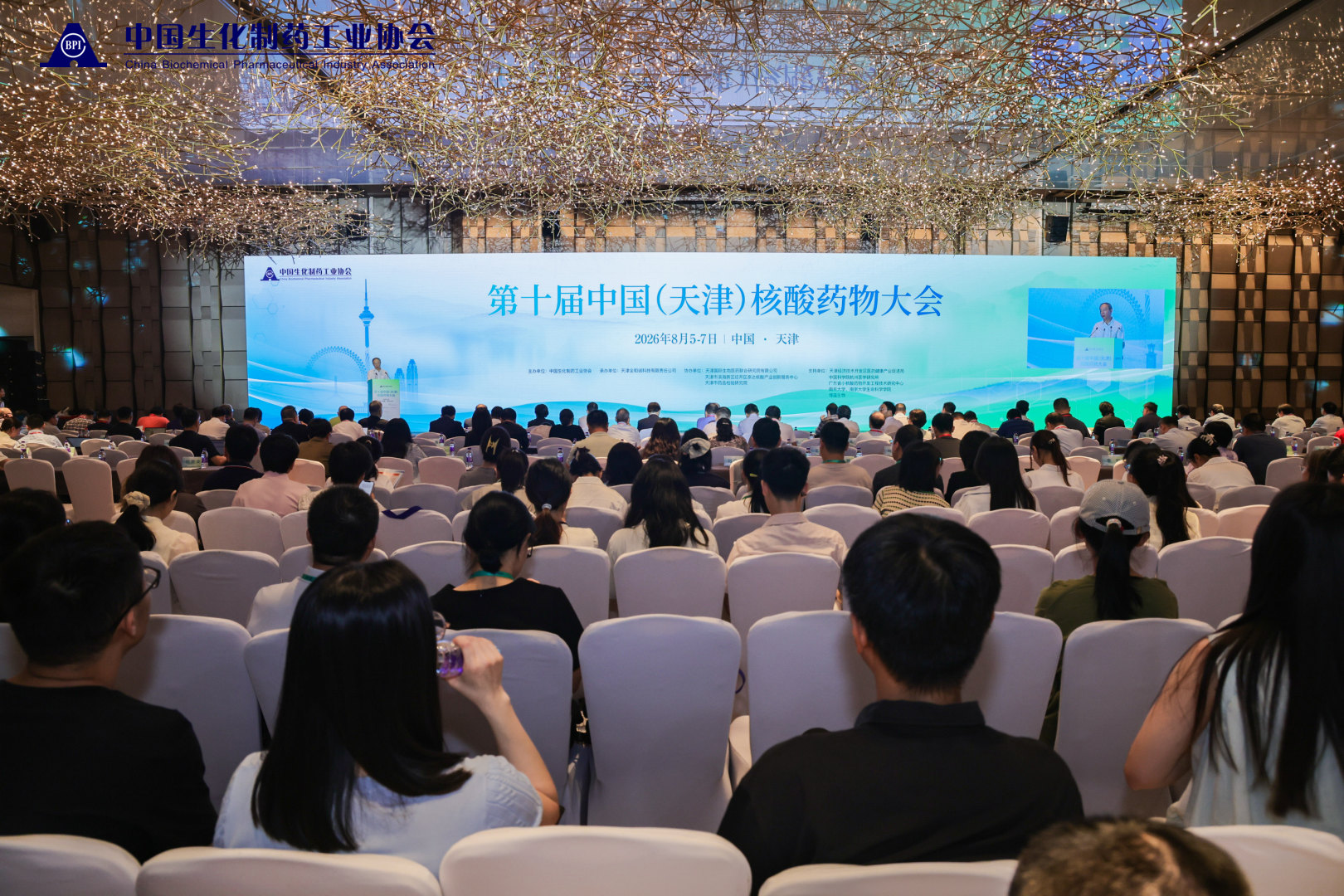
From August 6 to 7, 2026, the 10th China (Tianjin) Nucleic Acid Drug Conference was held in Tianjin. Centered on the theme "Advancing Diverse Nucleic Acid Technologies and Promoting End-to-End Translational Applications", the conference brought together more than 1,000 representatives from research institutes, universities, and companies across the upstream and downstream sectors of the nucleic acid drug industry chain. Participants exchanged views on topics including small nucleic acid therapeutic R&D, quality control, industrialization, and clinical translation. During the conference, three industry collaboration agreements were signed, and two group standards were officially released.
Notably, among the industry collaborations reached at the conference, one project specifically focused on "development of purification processes and key purification materials for small nucleic acid therapeutics". As small nucleic acid therapeutics continue to advance toward more complex modifications and industrial-scale manufacturing, increasing attention is being paid to the selectivity, throughput, and process scalability of downstream purification.
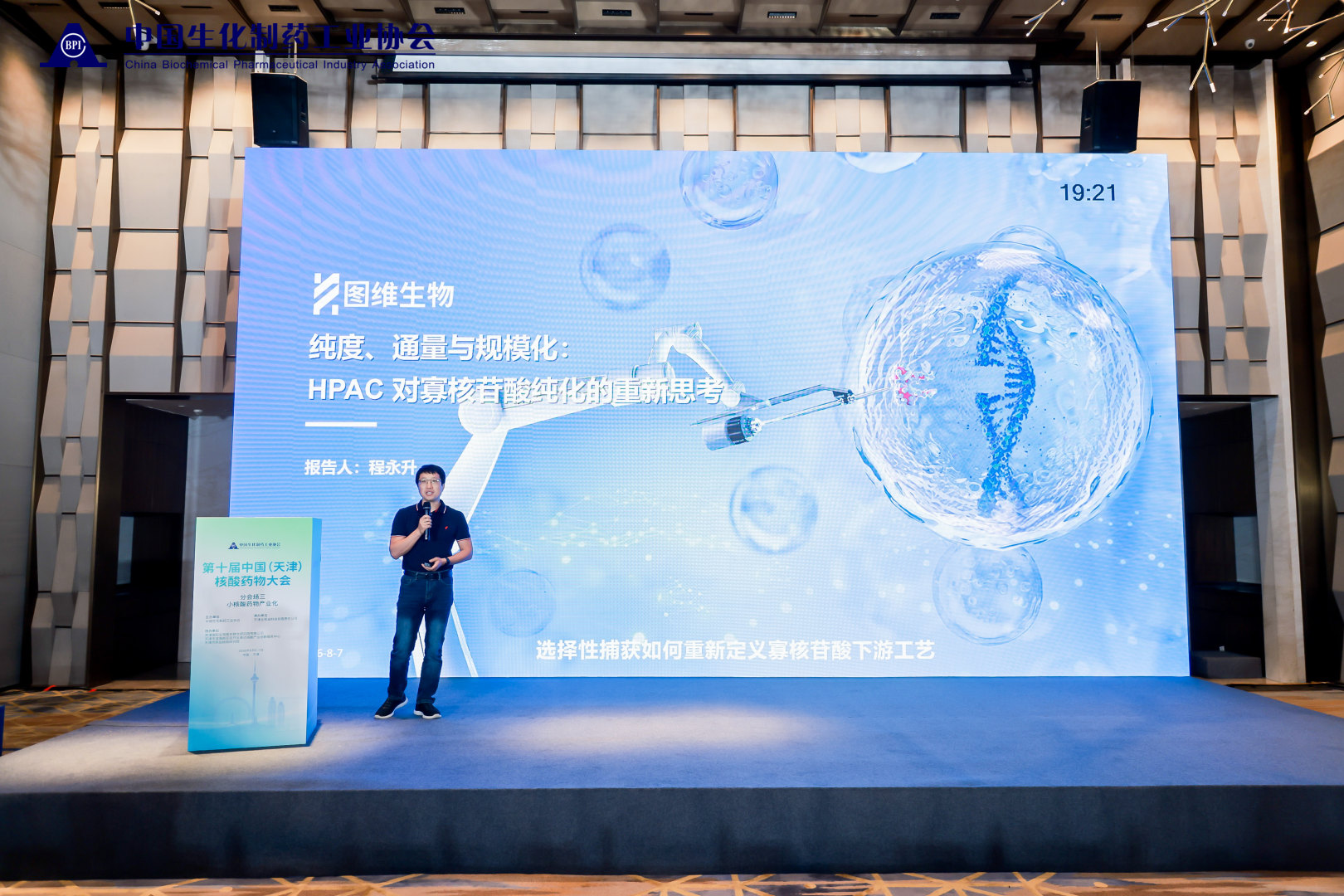
Figure 1 | The 10th China (Tianjin) Nucleic Acid Drug Conference
Focusing on Purity, Throughput, and Scale-Up: Exploring New Approaches to Oligonucleotide Purification
During the conference,PixelBiosciences Founder and CEO Yongsheng Chengdelivered a technical presentation entitled "Purity, Throughput, and Scale-Up: Rethinking Oligonucleotide Purification with HPAC". The presentation focused on HPAC (High Performance Affinity Chromatography), a technology developed by PixelBiosciences, and the approach to its application in oligonucleotide purification. Yongsheng Cheng is currently the founder and CEO of PixelBiosciences.
Conventional HPLC primarily exploits differences in physicochemical properties of oligonucleotides, such as charge, chain length, and apparent hydrophobicity, to generate different retention times, followed by chromatographic separation to obtain the target product. As the number and complexity of modifications in small nucleic acid molecules such as siRNA and ASO increase, purification processes must address not only separation itself but also the handling of multiple sequences, production throughput, and process stability after scale-up.
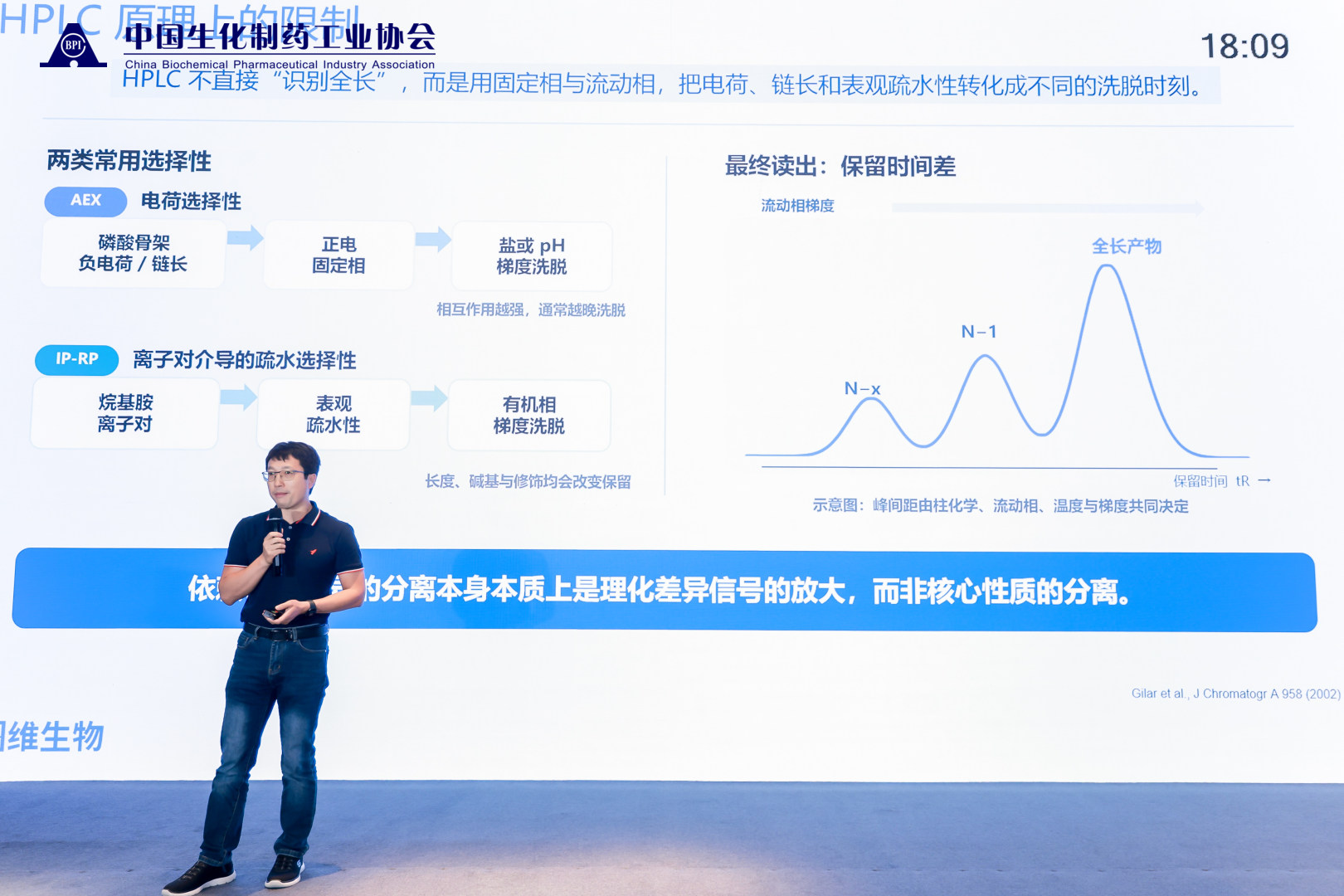
Figure 2 | General Manager Cheng Yongsheng’s Presentation
From Retention-Time-Based Separation to Selective Capture
HPAC uses a purification concept that differs from conventional preparative HPLC. Figure 1 illustrates the HPAC workflow: a full-length oligonucleotide carries an affinity tag at its 5′ end and is selectively captured on a solid-phase support; some impurities that do not carry the tag are removed during washing, after which the affinity tag is cleaved to obtain the target oligonucleotide.
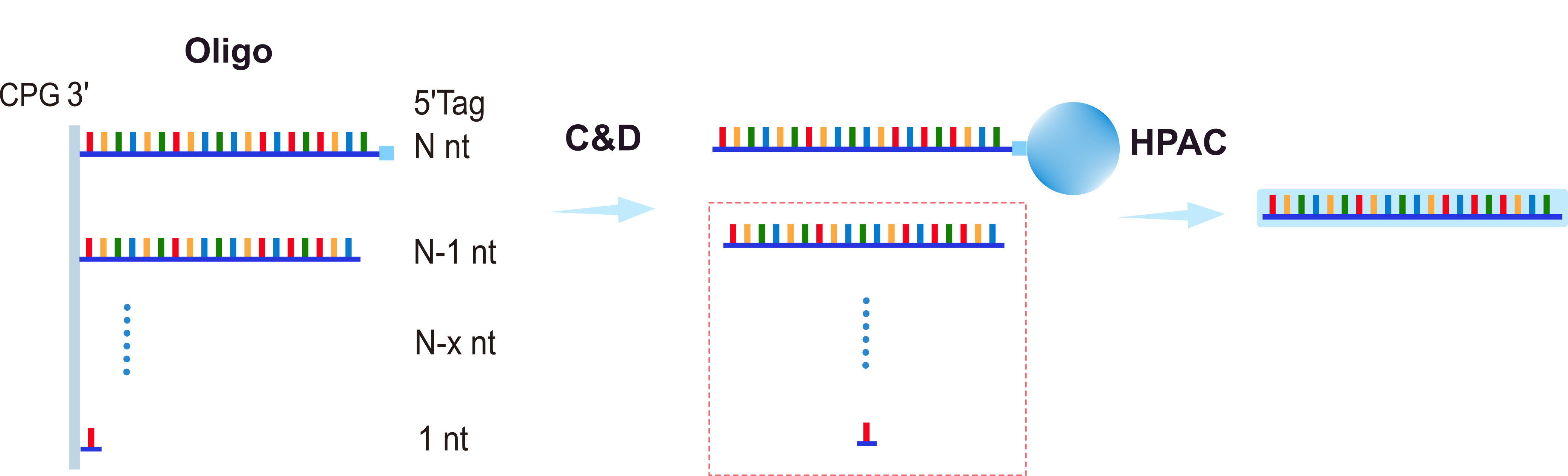
Figure 3 | Schematic of the HPAC Working Principle
This mechanism is particularly applicable to certain process-related impurities with terminal deletions, such as N-1/N-x species.For impurities such as internally deleted N-1 species or N-x species generated by internal strand breakage that may still carry the tag, HPAC alone cannot achieve their removal; they need to be managed in combination with synthesis process control, analytical testing, and other purification methods.
96-/384-Well Parallel Processing Expands High-Throughput Purification Applications
For early-stage R&D and multi-sequence screening, purification throughput is likewise an important factor affecting overall efficiency.
Conventional preparative HPLC operates through independent flow paths, and truly simultaneous preparation of multiple different sequences generally requires multiple independent flow paths. Figure 2 illustrates an HPAC high-throughput approach in whichbatch purification can be performed in 96- or 384-well platesand integrated with automated liquid-handling workstations.
For process scale-up,HPAC can be integrated into a process framework that connects large-scale oligonucleotide synthesis with downstream unit operations such as TFF, affinity capture, quality control, and lyophilization, providing a practical reference for subsequent process development and scale-up studies. At the current stage, however, the actual scalability of the process still needs to be further evaluated based on additional scale-up data, including loading capacity, purity, yield, processing time, and batch-to-batch consistency.
From Analytical Characterization to Cellular Functional Validation
In addition to the purification workflow itself, PixelBiosciences conducted further analytical characterization and functional testing of HPAC-purified samples.
Using Inclisiran-related sequences as a model, Figure 4 shows the mass spectrometry, gel, and HPLC analysis results for samples purified by HPAC and HPLC.
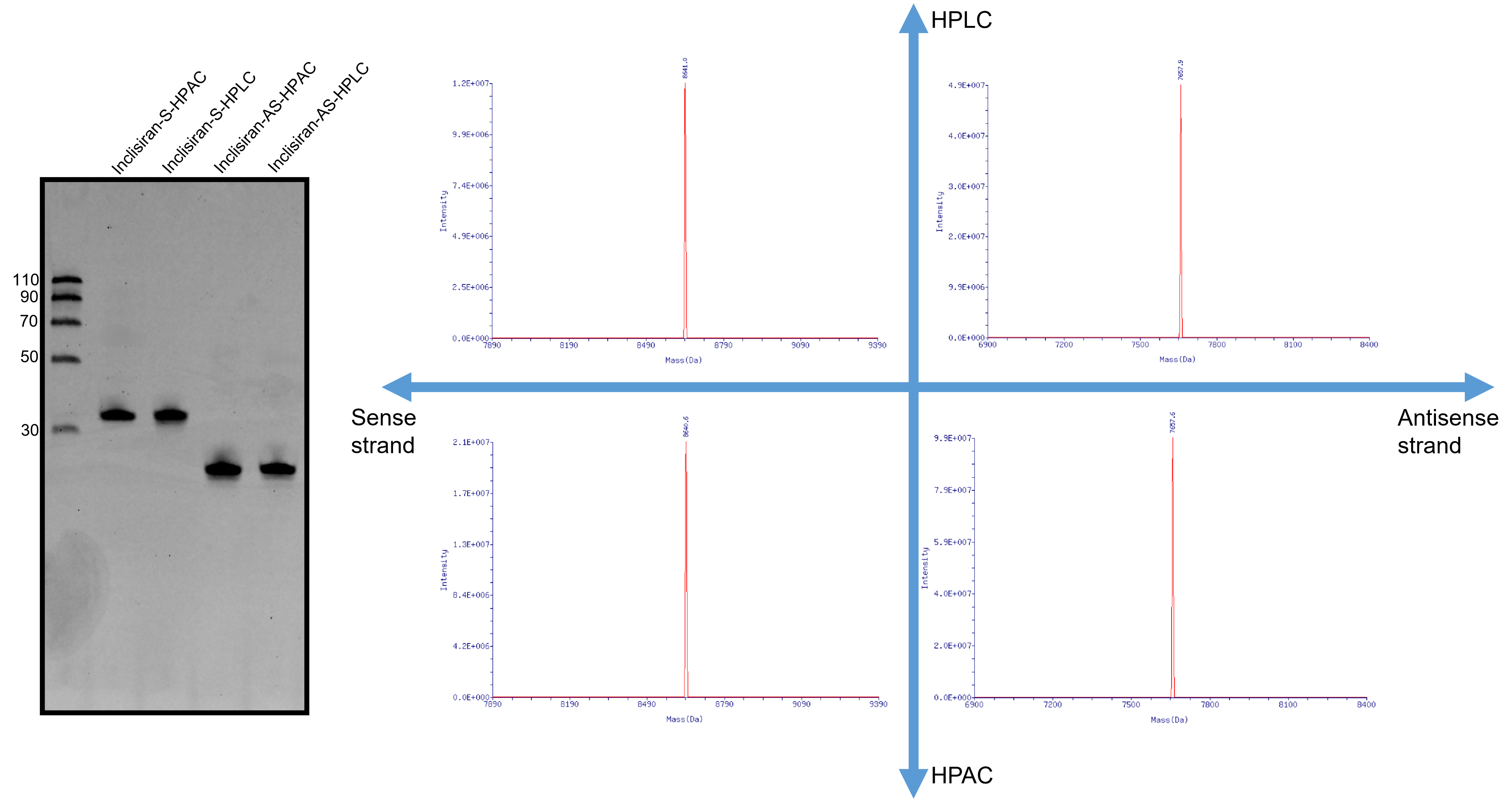
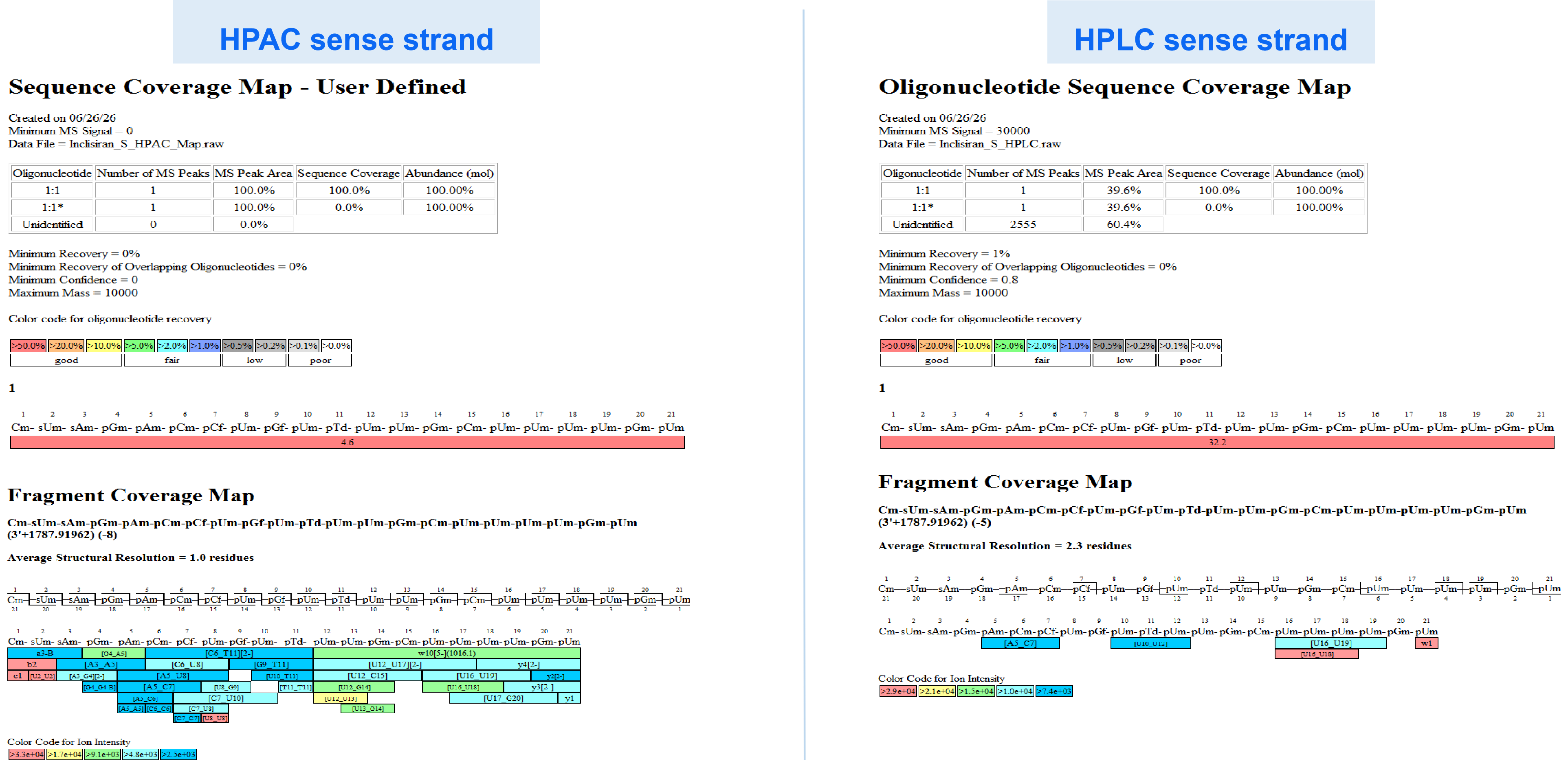
Figure 4 | Gel, Mass Spectrometry, and HPLC Analysis Results for the Two Sample Groups
A qPCR functional assay performed in A549 cells showed that, under the 30 nM test condition, as shown in Figure 5, siRNAs purified by both HPAC and HPLC exhibited clear gene knockdown activity. Under this set of experimental conditions, the knockdown results for the two purified sample groups showed no statistically significant difference. These results provide an experimental basis for further quality and functional evaluation of HPAC-purified samples.
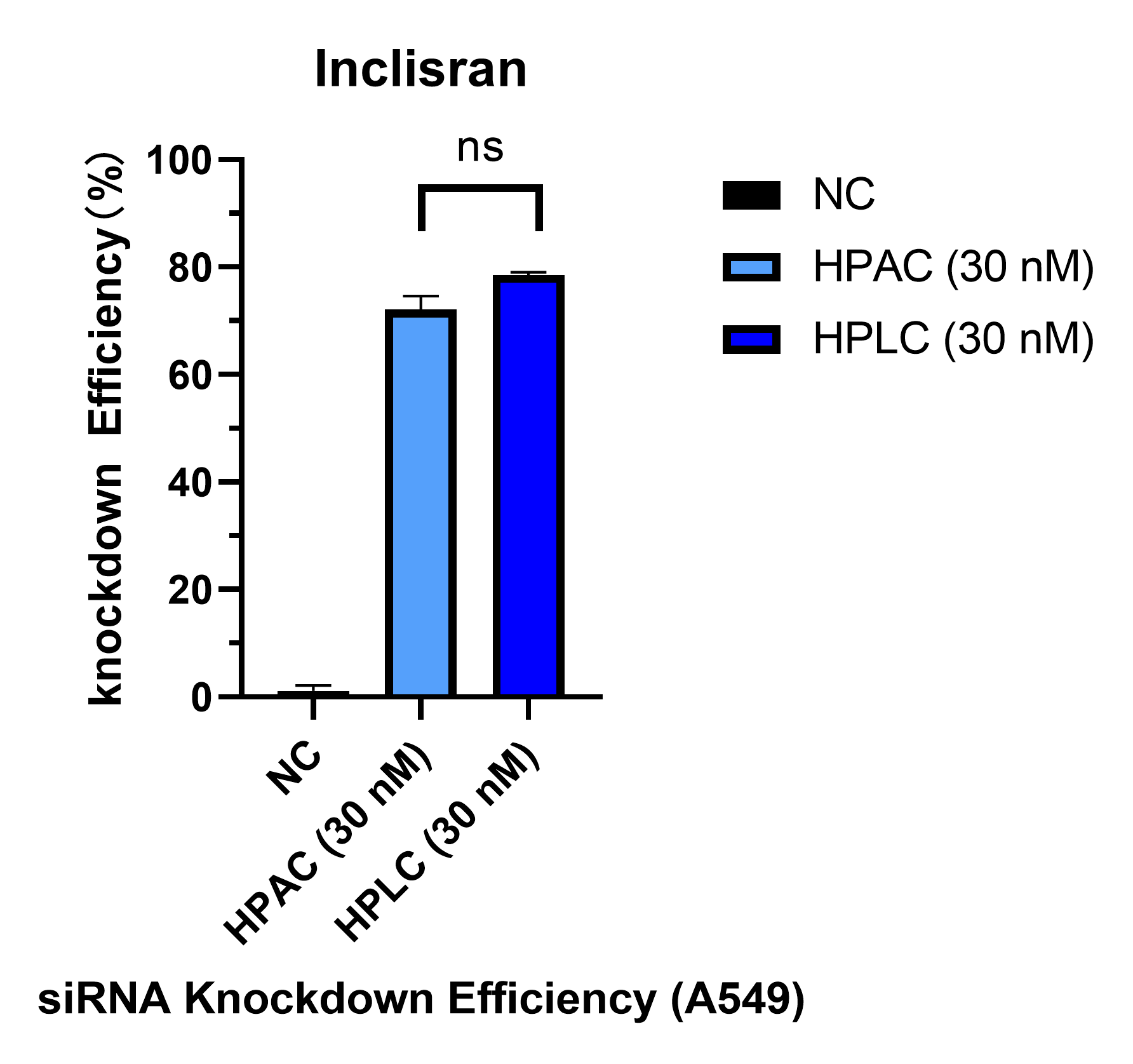
Figure 5 | qPCR Validation of Knockdown Activity in the Two Inclisiran Sample Groups
Continuing HPAC Process Development and Application Validation
From high-volume sequence screening in early-stage R&D to subsequent production process scale-up, purification of small nucleic acids requires comprehensive consideration of selectivity, throughput, process robustness, and scalability. This nucleic acid drug conference further reflected the industry's continued attention to the development of purification processes and key materials.
At this conference, PixelBiosciences exchanged views on HPAC technology with experts and partners from research institutions and industry.
Going forward, PixelBiosciences will continue to advance HPAC process development and validation across different oligonucleotide sequences, modification types, and production scales; further accumulate key data on purity, yield, processing throughput, and scale-up; and continue exploring downstream purification approaches for small nucleic acids that are more efficient, amenable to parallelization, and suitable for scale-up.
